Bitumen
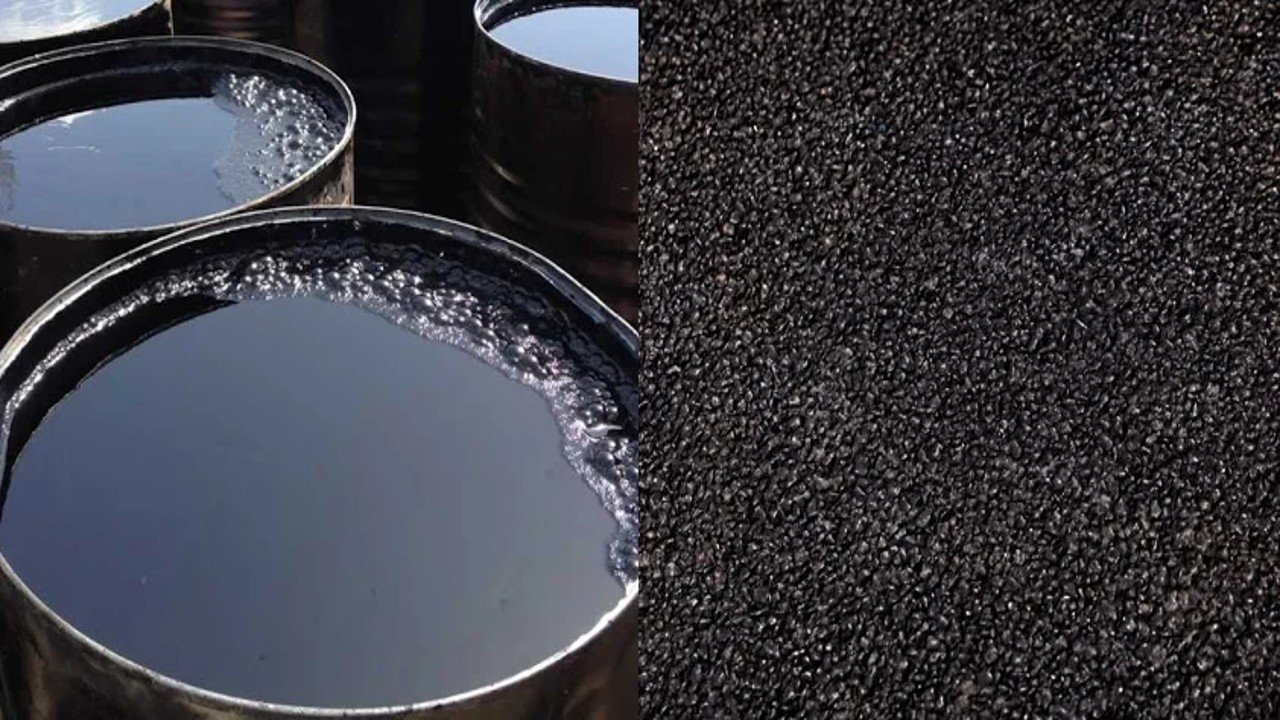
Bitumen is a thick, black, sticky substance that comes from crude oil. It’s mainly used as a binder in construction.

ESPO is classified as a light, sweet crude oil. It is highly valued for its low sulfur content (typically around 0.5-0.6%) and high API gravity (approx. 34-35), making it easier to refine into high-demand products like gasoline and jet fuel
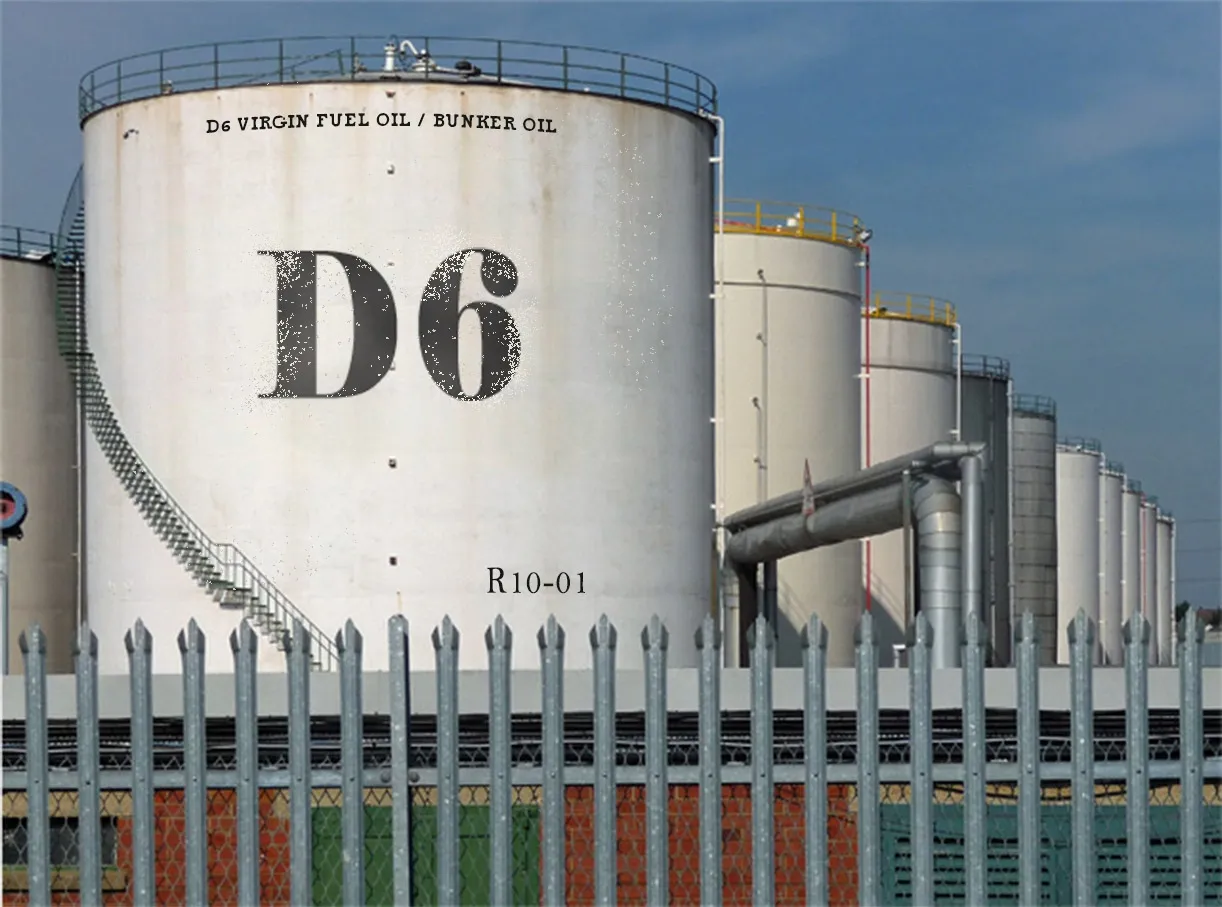
D6 is the heaviest commercial fuel that crude oil can yield, consisting of long-chain hydrocarbons that remain after lighter products like gasoline and standard diesel are removed during refining
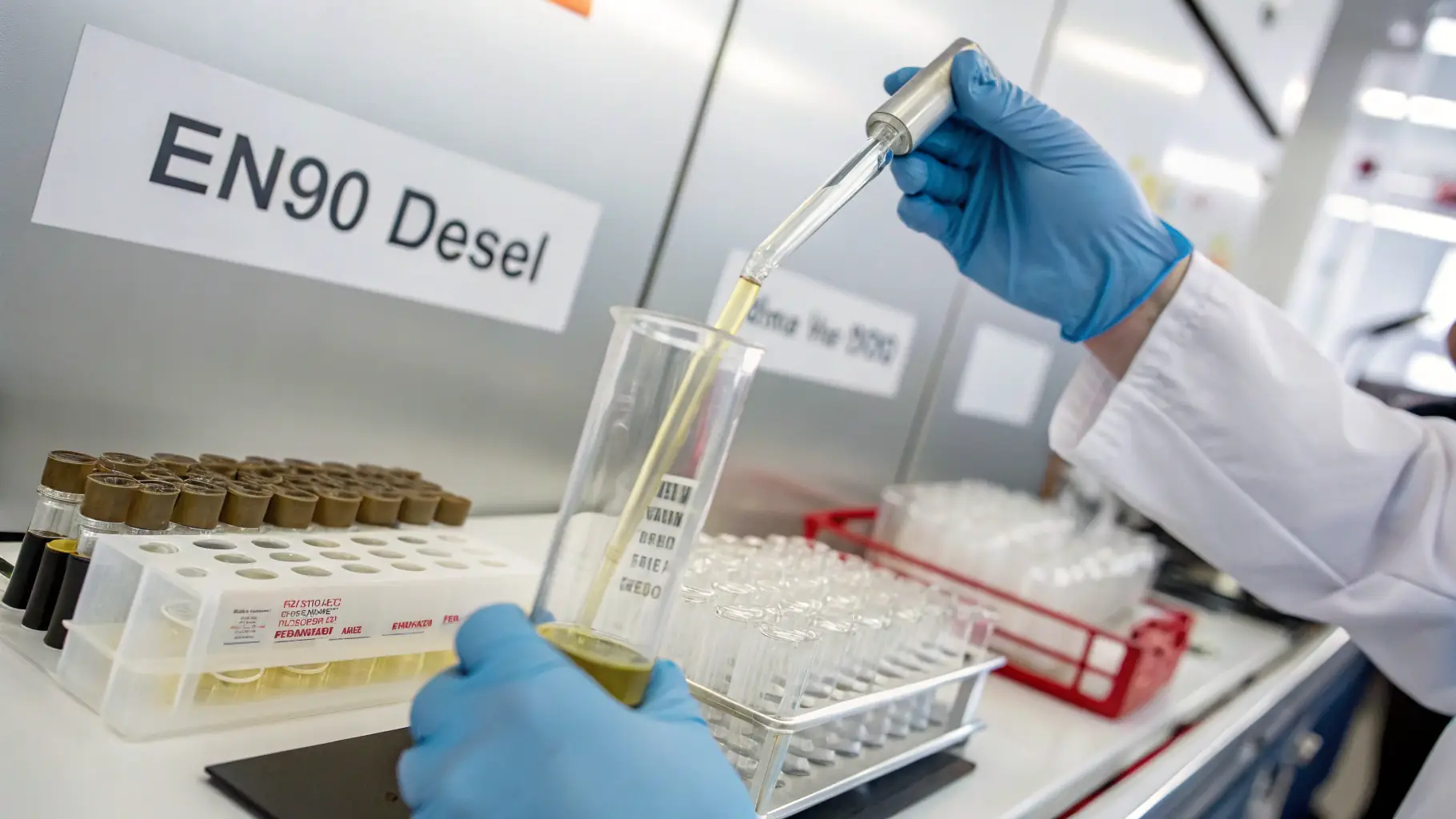
EN590 is the European standard for automotive diesel fuel, established by the European Committee for Standardization (CEN). It defines the physical and chemical properties required for diesel to be sold in the European Union and other participating countries, ensuring compatibility with modern engines and compliance with environmental regulations
Light crude oil is a classification of liquid petroleum characterized by low density and a low sulfur content, making it highly valuable in the global energy market

Naphtha (often called naphtha oil) is a broad term for various volatile, highly flammable liquid hydrocarbon mixtures primarily derived from the distillation of crude oil or natural gas. It is an essential intermediate product in the energy and chemical sectors, used as a feedstock for producing gasoline and plastics, as well as a powerful solvent for industrial and household applications
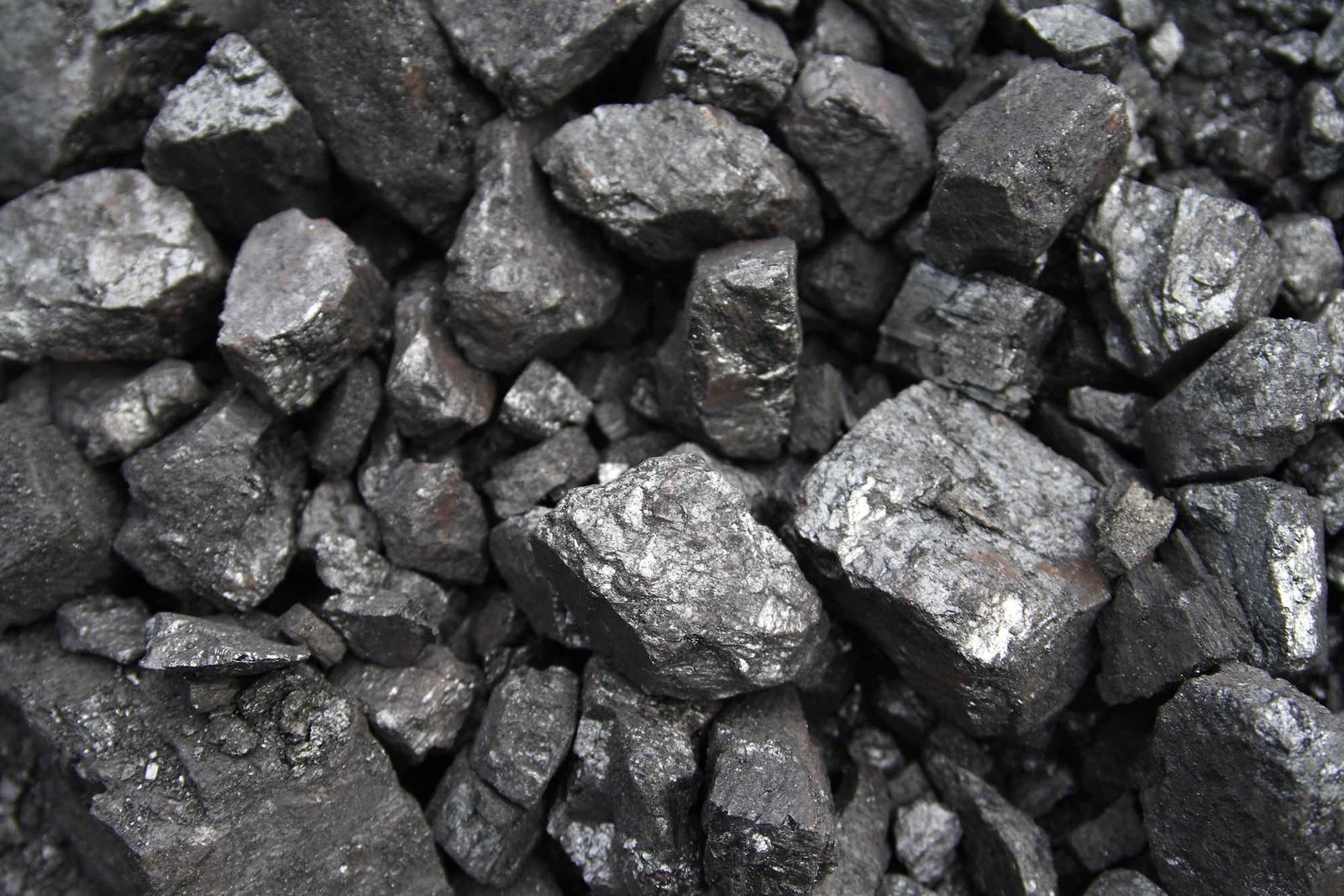
Petroleum coke, or petcoke, is a carbon-rich solid material produced as a byproduct during the oil refining process. It is derived from the "cracking" of heavy residual oils left over after the distillation of crude oil into lighter products like gasoline and diesel
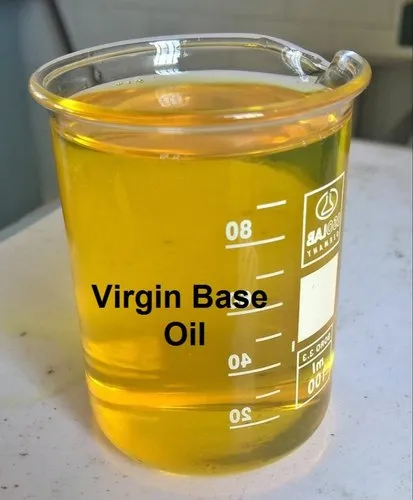
Virgin base oil is a primary product of the crude oil refining process, serving as the main component (on average, 95%) in the manufacturing of various lubricants and industrial fluids